
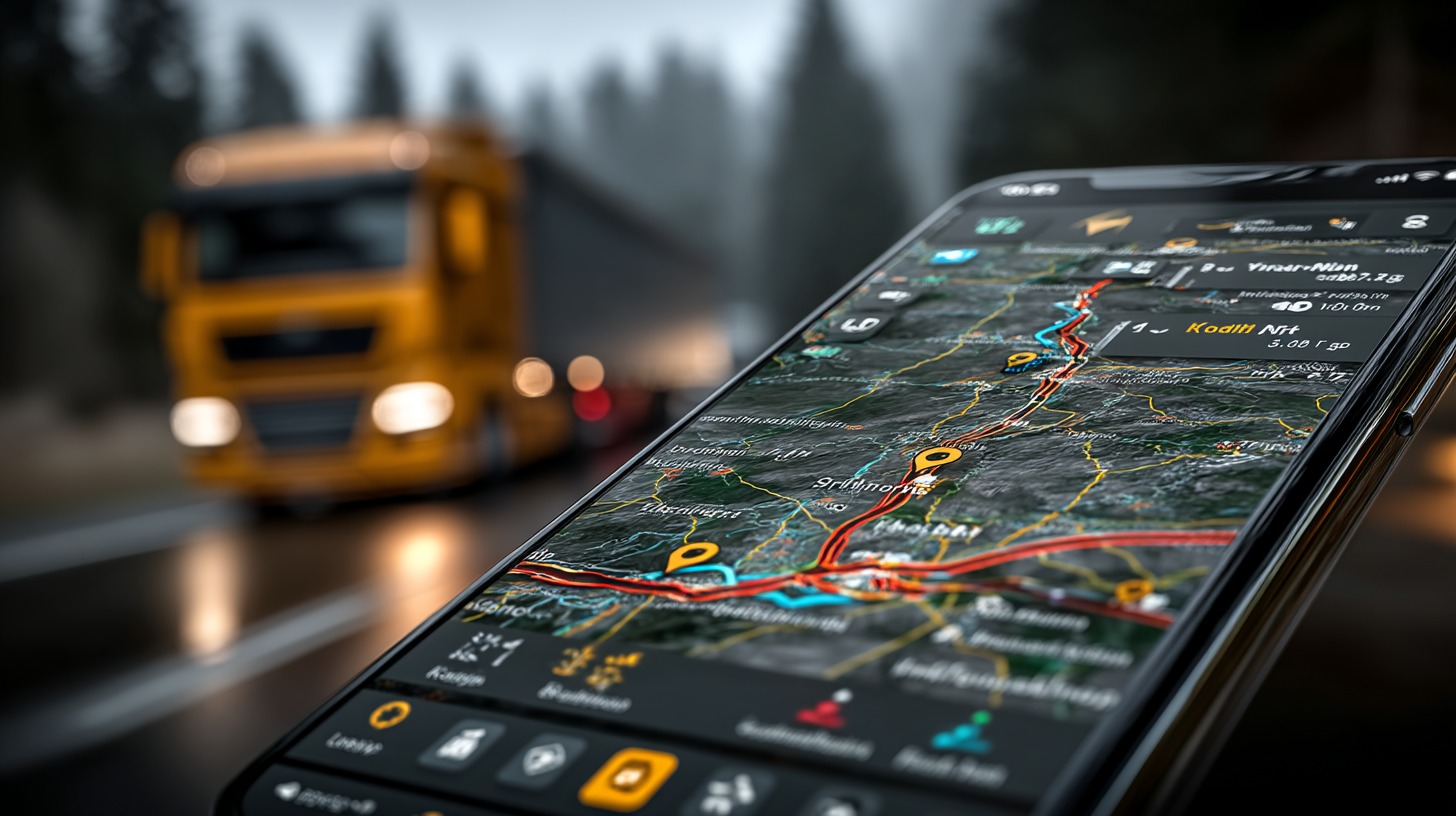
The growing use of digital and mobile technologies is driving significant changes in the logistics sector. Organizations are using smart technologies to manage fleet tracking more effectively. With fleet tracking software and smartphone apps, companies like Uni Moving can stay ahead of logistics and transportation challenges.
They can monitor vehicles, track driver behaviour, and optimize deliveries to be safer, quicker, and more cost-efficient. AI, geofencing, and automation provide businesses with better control through real-time updates, thereby improving efficiency. In this blog, we will explore why mobile applications are the future of logistics and how they are changing our perspective on supply chain management.
The evolution of mobile tracking apps in logistics
Tracking apps have improved significantly, evolving from simple GPS location to providing specific details like vehicle location, driver performance, and optimized route planning. Logistics companies use fleet tracking software to get a real-time view of their operations, helping them make faster deliveries and save money. The biggest advantage is real-time tracking, which is a game-changer. If a truck is late or takes a wrong turn, companies can make immediate adjustments. From small deliveries to large shipments, these apps help keep everything on track.
Enhancing fleet management with AI-powered fleet tracking
With the evolution of AI-powered predictive analytics, fleet tracking has reached a new level. Companies can now predict delays, monitor traffic, and choose the best routes for faster, more efficient transportation, which is crucial for moving services. This helps save on fuel costs, keep vehicles in good condition, and lower repair expenses.
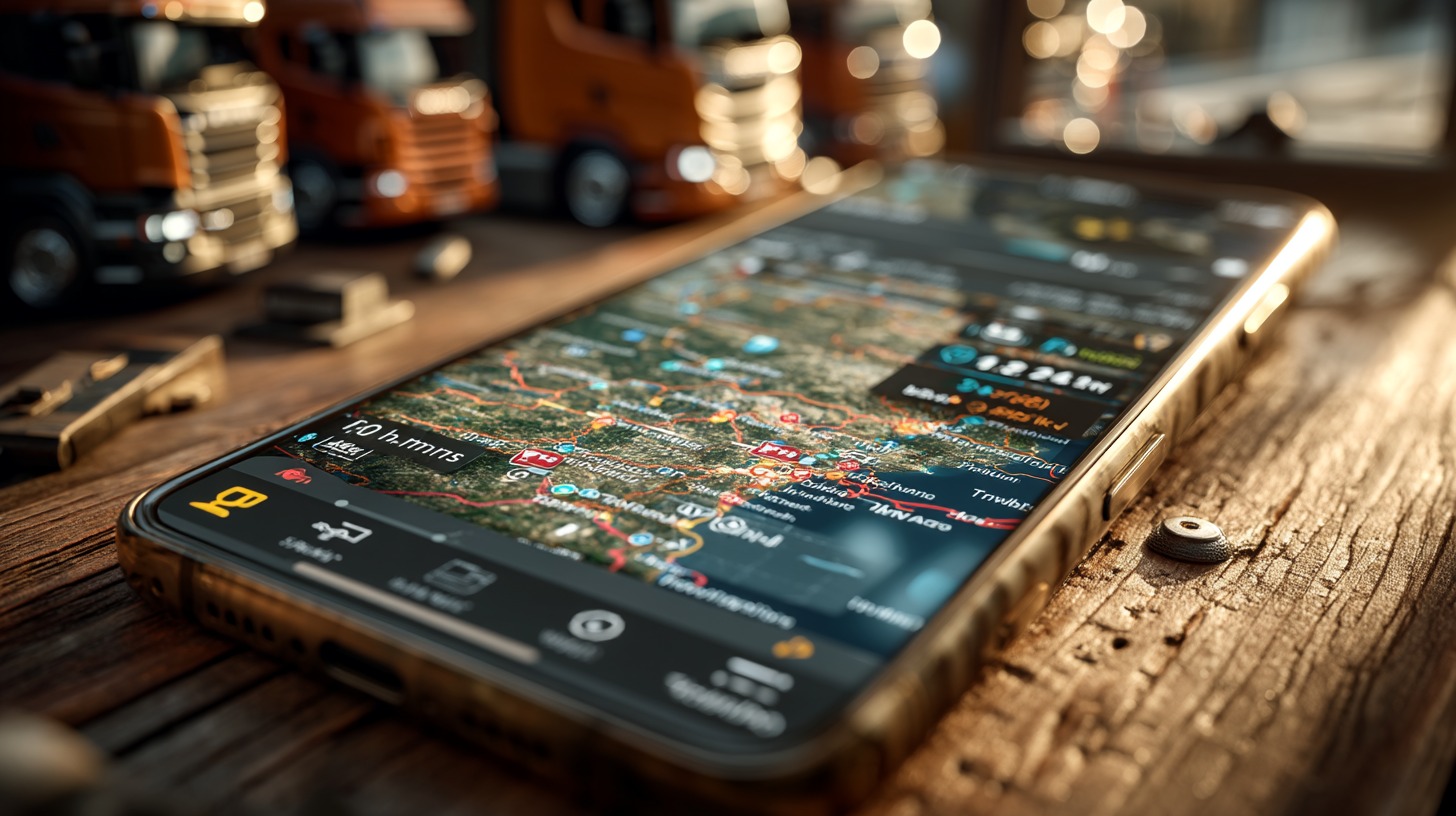
By analyzing past patterns, AI-driven tracking systems can identify trends and help companies make informed decisions. This allows businesses to track smartly, avoid potential issues, and achieve more with less effort.
Improving safety with driver behaviour monitoring
Safety is always a top priority in the transport and logistics industry. Mobile tracking apps make it possible to monitor driver speed, hard braking, and engine idle time. With these features, managers can understand driving habits, identify unsafe behaviours, and address them to reduce risks. Not only do these tracking systems help prevent accidents, but they can also help companies save money on insurance. Many insurance providers offer discounts to businesses that use tracking to improve safety. By focusing on safe driving, companies build trust and a strong reputation.
How geofencing is transforming logistics with precision and security
Geofencing is a smart feature that helps with logistics. It works by creating virtual boundaries on a map and sending notifications when a truck enters or exits a designated area. This is useful for tracking warehouse departures, border crossings, and secure locations. Companies can ensure drivers follow the right paths, prevent unauthorized vehicle use, and keep deliveries on schedule. It also helps reduce waiting times at loading and unloading points, making deliveries faster and more efficient.
The future of mobile tracking in transport and logistics
Mobile tracking and fleet tracking software are improving rapidly. With AI getting smarter, the logistics industry is moving toward a more connected and automated future. Soon, tracking systems will integrate with other smart devices and blockchain technology, providing tools that can predict delays. Companies that adopt these tracking systems now will be more efficient, keep drivers safer, and provide better service.
Mobile tracking apps have made it easier for transport and logistics companies to manage their vehicles, monitor driver performance, and keep deliveries on schedule. With AI-powered tracking, geofencing, and automated monitoring, businesses can operate more efficiently, enhance safety, and save money. As technology continues to advance, using these tools will be essential for staying competitive.